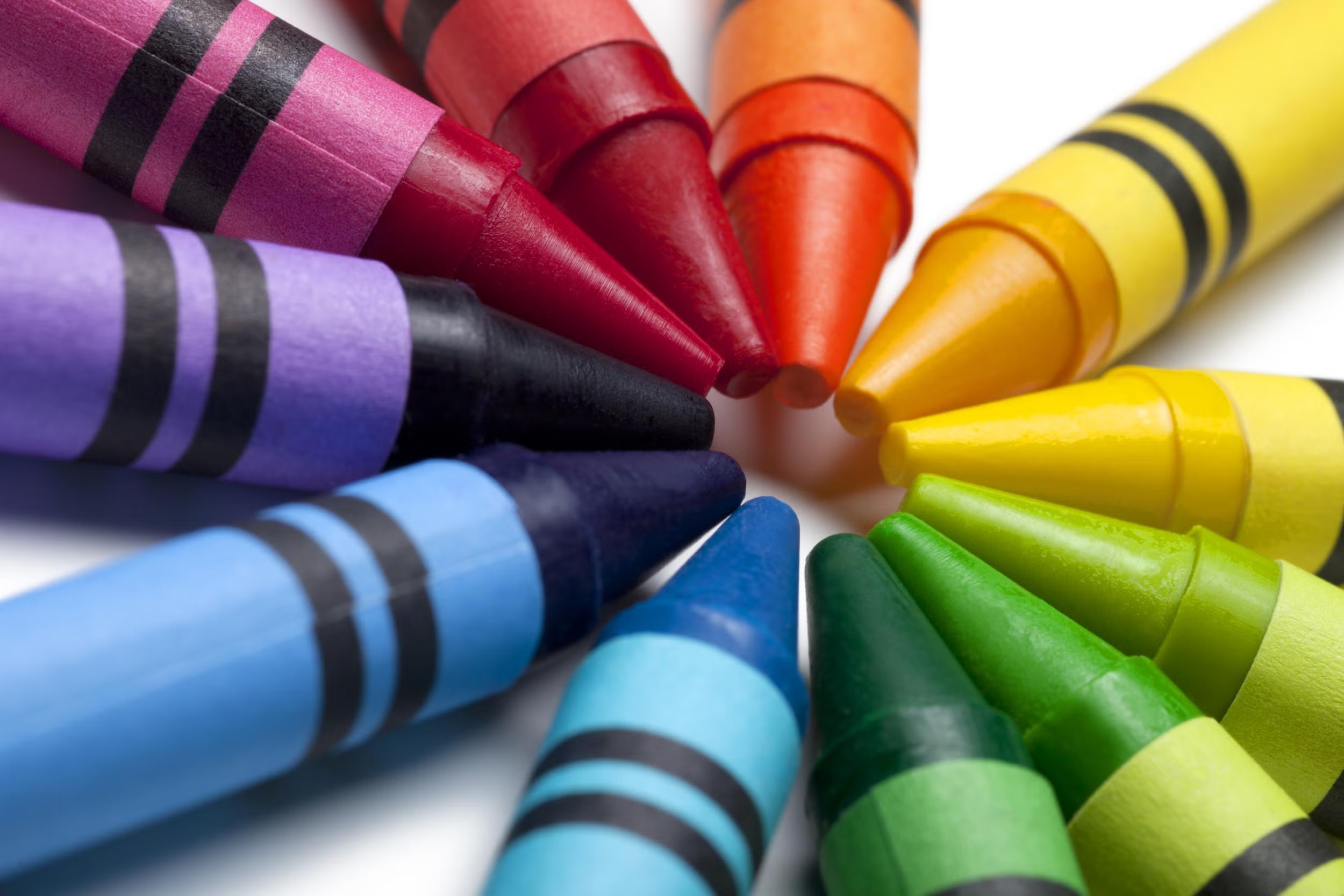
When it comes to creating with crayons, artists and hobbyists alike have experimented with a wide range of crayon-based art projects. Whether you’re using crayons for traditional coloring, wax melting techniques, or mixed media, here’s a review of some of the best crayon creations across different categories:
1. Melted Crayon Art
- What It Is: Using heat (like a hairdryer or heat gun) to melt crayons onto a canvas or paper, creating vibrant and fluid designs.
- Best For: DIY home decor, abstract art
- Materials Needed:
- Crayons
- Canvas or sturdy paper
- Heat source (hair dryer, heat gun)
- Review:
- Pros: Bold, colorful designs that are easy to customize; inexpensive materials; fun for all ages.
- Cons: Can be messy, requires careful handling of melted wax; the process takes time to master for more detailed work.
- Creative Tip: Try masking off parts of the canvas to create layered patterns or silhouettes within your design.
2. Crayon Resist Art
- What It Is: Drawing with crayons on paper and then using watercolor paint to fill in the spaces. The wax resists the paint, creating interesting effects.
- Best For: Kids’ art projects, watercolor enthusiasts
- Materials Needed:
- White or colored crayons
- Watercolor paints
- Watercolor paper
- Review:
- Pros: Simple and easy to do, great for kids and beginners. The crayon resist creates unique textures.
- Cons: Limited to basic designs; sometimes wax can rub off if too much water is applied.
- Creative Tip: Use white crayon on white paper for a “hidden” resist design that only reveals itself when you paint over it.
3. Crayon Shavings Collage
- What It Is: Shaving crayons into tiny pieces, placing them on a canvas or paper, and then covering them with wax paper to iron them into a smooth, colorful collage.
- Best For: Collage enthusiasts, textured art lovers
- Materials Needed:
- Crayon shavings
- Wax paper
- Iron
- Thick paper or canvas
- Review:
- Pros: Creates unique, vibrant art with a stained-glass effect. Great for abstract and textured projects.
- Cons: Requires supervision if using an iron; crayons must be finely shaved for the best results.
- Creative Tip: Experiment with layering different colors of crayon shavings for a dynamic blend of hues.
4. Crayon Sculptures
- What It Is: Sculpting with solid crayons by carving or melting them into three-dimensional forms.
- Best For: Advanced artists or craft enthusiasts
- Materials Needed:
- Crayons (larger crayons work best)
- Sculpting tools or knives
- Heat source (optional for melting)
- Review:
- Pros: Allows for detailed and creative sculptures; works well for mixed media projects.
- Cons: Sculpting can be tricky with fragile crayons; requires patience and practice.
- Creative Tip: Use a mix of crayons and wax-based mediums for more intricate and durable sculptures.
5. Crayon Encaustic Painting
- What It Is: A professional technique where melted crayons are applied to a surface to create layered, textured, and vibrant pieces of art.
- Best For: Professional artists and mixed media enthusiasts
- Materials Needed:
- Crayons
- Heat source (encaustic hot plate or similar)
- Painting surface (wood or canvas)
- Review:
- Pros: Gives a unique, professional look to artworks, ideal for abstract or impressionist pieces.
- Cons: Requires special equipment and practice to master; more expensive than other crayon techniques.
- Creative Tip: Add other materials like oil pastels or powdered pigments to the melted crayons for added texture and depth.
6. Crayon Stained Glass Art
- What It Is: A process of melting crayon shavings between two pieces of wax paper, then cutting out shapes to create a stained-glass effect.
- Best For: Crafting, kids’ projects, and home decor
- Materials Needed:
- Crayon shavings
- Wax paper
- Iron
- Scissors
- Review:
- Pros: Easy and colorful; great for kids’ projects or simple home decor. Looks beautiful when hung on windows.
- Cons: Can be delicate and prone to tearing if not handled carefully.
- Creative Tip: Make a series of stained-glass pieces and frame them together for a large-scale colorful effect.
7. Crayon Impressionism
- What It Is: A technique where you apply crayon strokes in layers, mimicking the style of Impressionist painters, focusing on color blending and texture.
- Best For: Advanced crayon artists, impressionist art lovers
- Materials Needed:
- Crayons
- Textured paper
- Review:
- Pros: Allows for subtle color blending and texture similar to oil pastels or chalk. Great for large-scale works.
- Cons: Requires a steady hand and knowledge of color theory for best results.
- Creative Tip: Experiment with light pressure to build color gradually and mimic brushstrokes.
Conclusion:
- Best for Beginners: Crayon Resist Art and Melted Crayon Art are excellent starting points for simple, creative, and colorful projects.
- Best for Advanced Artists: Crayon Encaustic Painting and Crayon Sculptures offer more intricate and detailed techniques for serious artists.
- Best for Kids: Crayon Stained Glass Art and Crayon Shavings Collage are fun and engaging, perfect for young creators.
- Most Unique: Crayon Impressionism brings fine art techniques into the realm of crayon, offering a sophisticated approach for seasoned artists.
Each of these crayon creations opens up unique opportunities for creativity and expression. Whether you’re looking for something simple or an advanced artistic challenge, crayons are a surprisingly versatile medium!
Leave a Comment