
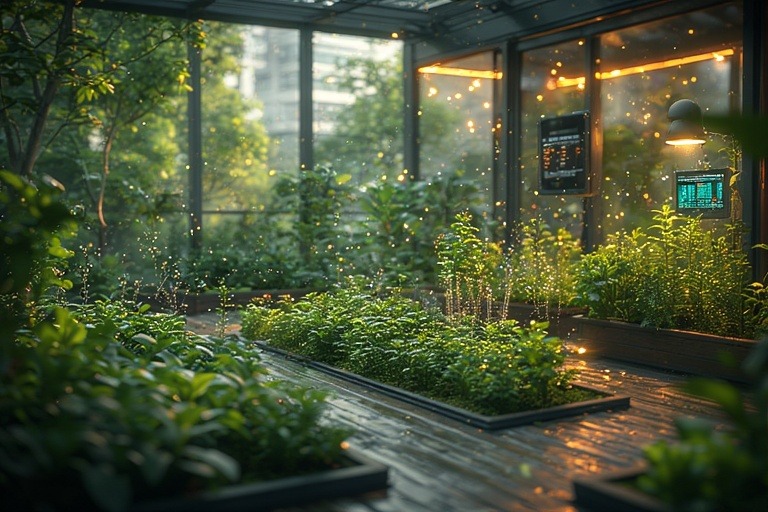
As urban living becomes denser and outdoor spaces shrink, home gardening is seeing a technological transformation. In 2025, smart air-quality monitoring and irrigation systems are emerging as essential tools for urban gardeners who want healthy plants, optimized growth, and minimal maintenance. These devices merge convenience, sustainability, and precision, allowing even beginners to maintain thriving green spaces.
🌿 Why Smart Systems Are Trending
Modern homeowners are increasingly conscious about both plant health and air quality. Smart gardening systems address multiple pain points:
-
Automation & Convenience: Watering schedules, soil monitoring, and environmental adjustments are automated.
-
Health & Sustainability: Smart sensors ensure plants get only what they need, reducing water waste and chemical use.
-
Integration: Devices often connect to smart home hubs, giving real-time alerts and remote control from smartphones.
-
Urban Air Management: Indoor gardens benefit from air-quality systems that filter pollutants, regulate humidity, and improve oxygen levels.
Essentially, these systems allow for low-effort, high-impact gardening, aligning with the 2025 trend of tech-assisted home lifestyles.
💧 Smart Irrigation Systems: Precision Watering
🌦️ Key Features
-
Soil Moisture Sensors: Monitor exact soil conditions and adjust watering accordingly.
-
Automated Scheduling: Water plants based on species requirements, local weather, and seasonal changes.
-
Leak Detection & Alerts: Prevent overwatering and reduce water waste.
✅ Benefits
-
Saves water and energy, supporting sustainable gardening.
-
Reduces guesswork for new gardeners.
-
Can be paired with subscription-based apps that offer personalized watering tips and plant care notifications.
⚠️ Limitations
-
Requires Wi-Fi connectivity.
-
Initial setup may be complex for large gardens.
-
High-end models are premium-priced.
🌬️ Smart Air-Quality Systems: Indoor Plant Optimization
🔹 Features
-
Air Sensors: Track humidity, temperature, and airborne pollutants.
-
Automatic Ventilation: Adjust fans or purifiers to maintain optimal growth conditions.
-
Integration with IoT Platforms: Many devices can be controlled via Alexa, Google Home, or Apple HomeKit.
✅ Benefits
-
Enhances plant growth and indoor air quality.
-
Reduces risk of mold, pests, and environmental stress.
-
Offers health benefits for humans by regulating humidity and filtering pollutants.
⚠️ Limitations
-
Continuous monitoring consumes electricity.
-
Some sensors require regular calibration.
⚖️ Smart Gardening Systems: Comparison & Considerations
| Feature | Smart Irrigation | Smart Air-Quality | Combined Systems |
|---|---|---|---|
| Purpose | Optimal watering | Monitor air/humidity | Full environmental control |
| Best For | Outdoor gardens | Indoor plants | Greenhouses, large urban setups |
| Subscription Support | Personalized watering schedules | Real-time alerts & analytics | Advanced automation with cloud integration |
While each system can operate independently, combined smart systems offer the most comprehensive control, particularly for urban gardeners with indoor/outdoor hybrid gardens.
📈 Gardening Trends in 2025
-
Urban Micro-Gardens: Apartments and small terraces now feature vertical gardens and balcony farms, demanding automated care solutions.
-
Sustainability & Water Conservation: Smart irrigation ensures minimal water usage and promotes eco-friendly practices.
-
Integration with AI & Apps: Many systems now include apps with AI-powered plant care guides.
-
Subscription Services: Platforms like Plantix or SmartPlant provide plant health insights, fertilizer recommendations, and even seasonal seeds delivered to your door.
These trends reflect a shift towards data-driven, sustainable home gardening that minimizes effort while maximizing yield and plant vitality.
🛒 Recommended Products
-
Rachio Smart Sprinkler Controller – Automated irrigation with weather-adaptive watering schedules.
-
Eve Aqua & Eve Room – Works with Apple HomeKit for precise water control and air-quality monitoring.
-
Click and Grow Smart Garden 9 – All-in-one indoor system with soil monitoring and automated watering.
💡 Subscription Tip: Pair devices with Plantix or SmartPlant subscriptions to get seasonal planting guides, fertilization alerts, and personalized plant care tips delivered directly to your phone. This ensures you maximize the potential of your smart systems.
🎯 Who Should Invest in Smart Gardening Systems?
-
Urban dwellers with limited outdoor space who want a thriving garden.
-
Busy professionals seeking low-maintenance solutions.
-
Plant enthusiasts looking for precise control over growth conditions.
-
Eco-conscious homeowners aiming to save water and energy.
Even beginners can enjoy professional-level results with minimal effort, making these systems ideal for anyone in 2025 wanting greener, healthier spaces.
🏆 Final Verdict
Smart air-quality and irrigation systems are transforming home gardening in 2025. They combine technology, convenience, and sustainability, allowing gardeners to maintain healthy plants effortlessly. Whether it’s a small balcony garden or a hybrid indoor/outdoor setup, investing in smart systems can save time, reduce resource waste, and improve plant vitality.
For anyone serious about modern urban gardening, pairing these devices with plant care subscription services ensures an ongoing, optimized, and personalized gardening experience. The future of home gardens is smart, automated, and thriving — and the Booster of innovation lies in these multifunctional systems.


Leave a Comment