
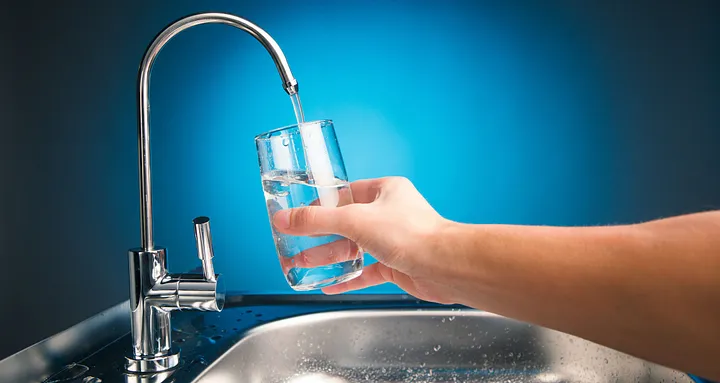
Water is often referred to as the elixir of life, and for good reason. It plays a crucial role in maintaining overall health, and its impact on skin health is profound. While skincare products promise glowing, youthful skin, the most fundamental and natural way to achieve a radiant complexion is through proper hydration. Water is essential for maintaining skin elasticity, flushing out toxins, and promoting a healthy, youthful appearance. Understanding the transformative power of water can help individuals harness its benefits for optimal skin health.
The Role of Water in Skin Health
The skin is the body’s largest organ, and like every other organ, it requires adequate hydration to function properly. Water makes up a significant portion of the skin’s structure, contributing to its elasticity, smoothness, and resilience. When the body is properly hydrated, the skin appears plumper, softer, and more vibrant. Dehydration, on the other hand, can lead to dryness, dullness, and premature aging.
Water benefits the skin in several ways, including:
- Maintaining Moisture Balance: Water helps maintain the skin’s moisture levels, preventing dryness and irritation. Hydrated skin is less prone to flakiness and cracking.
- Flushing Out Toxins: Water acts as a natural detoxifier, helping to flush out impurities from the body that can contribute to acne and other skin problems.
- Enhancing Elasticity: Proper hydration improves skin elasticity, reducing the appearance of fine lines and wrinkles.
- Promoting Healing: Water aids in skin cell regeneration and speeds up the healing process of wounds, scars, and blemishes.
Water and Skin Hydration
One of the most common misconceptions is that applying topical moisturizers alone is enough to keep the skin hydrated. While external hydration is important, internal hydration plays a more significant role in maintaining the skin’s health. Drinking sufficient water replenishes skin cells from within, helping to maintain a natural, healthy glow.
When the body lacks water, the skin can become tight and dry, making it more susceptible to irritation and signs of aging. Dehydrated skin may also produce more oil to compensate for the lack of moisture, which can lead to breakouts and clogged pores.
The Connection Between Water and Acne Prevention
Acne is a common skin concern, often caused by excess oil, bacteria, and clogged pores. Water can help prevent acne in several ways:
- Regulating Oil Production: When the skin is well-hydrated, it produces less oil, reducing the likelihood of breakouts.
- Detoxifying the Skin: Drinking water helps remove toxins from the body, reducing inflammation and the risk of acne flare-ups.
- Improving Circulation: Proper hydration supports blood circulation, which delivers essential nutrients to skin cells and keeps them healthy.
In addition to drinking water, washing the face with lukewarm water helps remove dirt, oil, and bacteria without stripping the skin of its natural moisture.
Water’s Role in Anti-Aging
Aging is a natural process, but water can help slow down the visible effects on the skin. Wrinkles and fine lines become more prominent when the skin lacks moisture. Water supports collagen production, which is essential for maintaining skin firmness and elasticity. Well-hydrated skin appears smoother and more youthful.
Furthermore, water improves circulation, ensuring that oxygen and essential nutrients reach skin cells efficiently. This helps maintain a healthy complexion and prevents the skin from looking tired and dull.
How Much Water Is Enough?
The amount of water an individual needs depends on various factors, including age, activity level, and climate. However, a general guideline is to drink at least 8 glasses (about 2 liters) of water per day. Those who exercise frequently, live in hot climates, or consume dehydrating substances like caffeine and alcohol may need to drink more.
Eating water-rich foods, such as cucumbers, watermelon, oranges, and celery, can also contribute to hydration. Herbal teas and infused water with lemon, mint, or berries are great alternatives for those who struggle with drinking plain water.
External Water Benefits for Skin
Aside from drinking water, external water application also benefits the skin. Some ways to enhance skin hydration externally include:
- Using a Humidifier: In dry environments, a humidifier helps maintain moisture levels in the air, preventing the skin from becoming dry.
- Taking Short, Lukewarm Showers: Hot water can strip the skin of its natural oils, leading to dryness. Lukewarm water is gentler and helps retain moisture.
- Applying Hydrating Skincare Products: Using water-based serums, moisturizers, and facial mists can lock in hydration and keep the skin supple.
Conclusion
Water is an essential and often overlooked component of healthy skin. It plays a critical role in maintaining moisture balance, preventing acne, slowing the aging process, and promoting overall skin vitality. While external skincare products are beneficial, true skin health begins from within. By staying properly hydrated, eating water-rich foods, and maintaining good skincare habits, individuals can unlock the transformative power of water for glowing, youthful skin.
Leave a Comment